
The Shivaji International Patel Association is a non-profit organization dedicated to the welfare, unity, and empowerment of the Kurmi community worldwide. Our mission is to create a strong network that fosters social cohesion, supports education, ensures quality healthcare, and promotes cultural heritage.
We believe in building an inclusive society where every individual, regardless of background, has access to opportunities for growth, dignity, and development. Through our healthcare services, educational programs, cultural activities, and social initiatives, we strive to uplift the underprivileged and strengthen community bonds across regions.
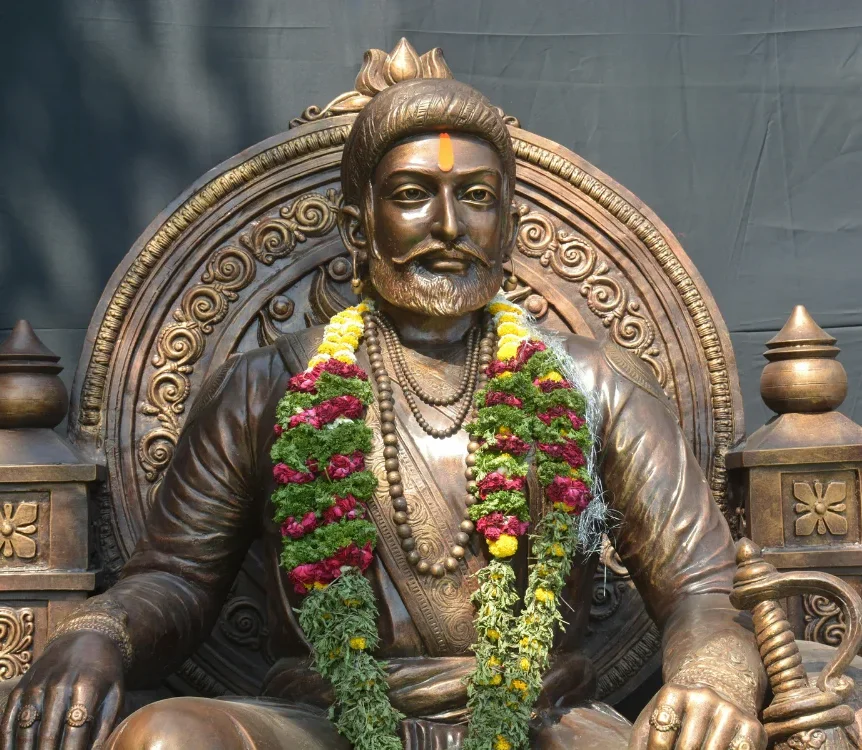
Chhatrapati Shivaji Bhosale was born on 19 February 1630 at Shivneri Fort in Maharashtra. His father was Shahaji Bhosale, and his mother was Jijabai, with Samarth Ramdas Swami as his guru.
On 6 June 1674, he was coronated as Chhatrapati at Raigad Fort, taking the title of Emperor and establishing Raigad Fort as the capital. As the founder of the Maratha Empire in Western India, he built a legacy of sovereignty and resilience.
Shivaji Maharaj’s major achievements included establishing a strong and efficient administration, constructing a powerful navy to safeguard coastal regions, and engaging in valiant struggles against the Mughals, Adilshahi, and Nizamshahi rulers. He championed religious tolerance, justice, respect for women and the poor, and tirelessly worked toward Swaraj—self-rule—for the welfare of his people.
Among his famous battles, the Battle of Pratapgad in 1659 saw him triumph over Afzal Khan; the Battle of Kolhapur that same year brought victory against Adilshahi forces; and the Battle of Sinhagad in 1670, heroically led by Tanaji Malusare, stands as a testament to unyielding courage.
He passed away on 3 April 1680 at Raigad Fort.
Today, Chhatrapati Shivaji Maharaj endures as a revered warrior, visionary leader, and architect of Swaraj, whose bravery, wisdom, justice, and national devotion continue to inspire generations.
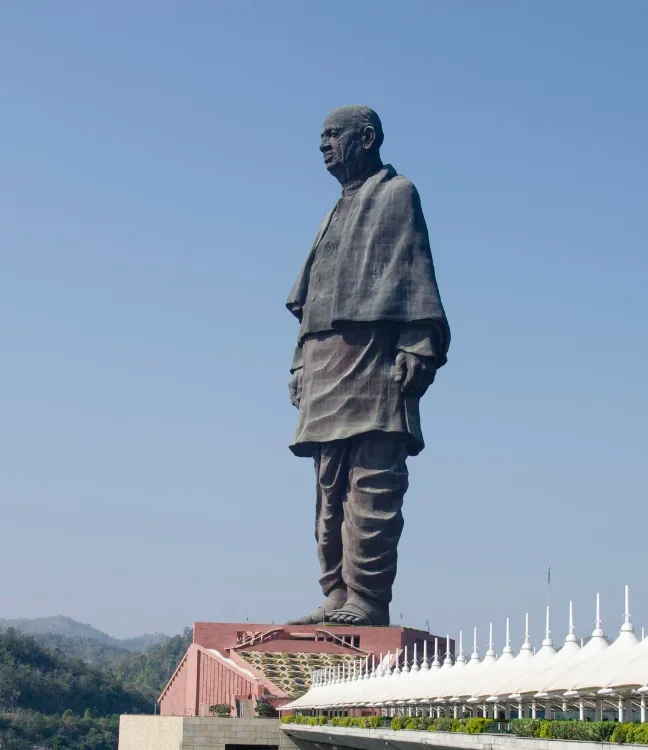
Vallabhbhai Jhaverbhai Patel, popularly known as Sardar Patel or the Iron Man of India, was born on 31 October 1875 in Nadiad, Gujarat, to parents Jhaverbhai Patel and Ladbai. After studying law in England, he emerged as a successful lawyer, channeling his skills into a life of public service.
Deeply inspired by Mahatma Gandhi’s principles of truth and non-violence, Patel became a pivotal figure in the Indian Independence Movement. He championed farmers’ rights, social unity, and freedom from British rule, most notably leading the Bardoli Satyagraha in 1928—a non-violent protest against unjust land revenue hikes that earned him the enduring title of “Sardar,” meaning leader.
Following India’s independence, Patel served as the nation’s first Deputy Prime Minister and Home Minister, earning acclaim as the “Unifier of India” for his masterful diplomacy in integrating 562 princely states into a single sovereign republic. His efforts laid the groundwork for a strong, united, and stable democracy. Among his major contributions, he fortified the administrative backbone of independent India, established the All-India Services such as the IAS and IPS, and worked relentlessly to foster national integration and internal security.
Sardar Patel passed away on 15 December 1950 in Bombay, now Mumbai, Maharashtra.
His legacy as a true patriot, resolute leader, and architect of modern India lives on, immortalized by the Statue of Unity in Gujarat—the world’s tallest statue at 182 meters—a monumental tribute to his unyielding vision and service to the nation.
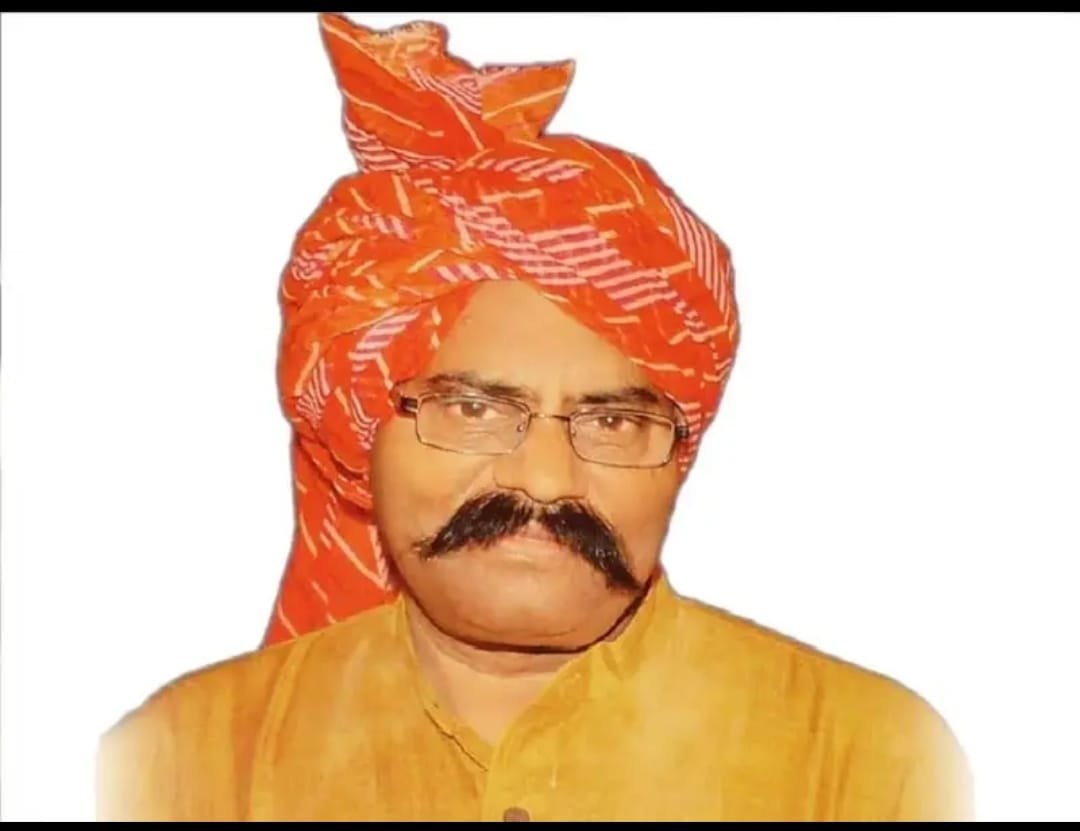
Late Sonelal Patel (2 February 1950 – 2 November 2009) was a prominent Indian social reformer, visionary farmer leader, and a strong advocate of social justice. Born in a humble agrarian family in Uttar Pradesh, he closely experienced the struggles of farmers and backward communities from an early age. These experiences shaped his lifelong commitment to equality, dignity, and political empowerment of the marginalized sections of society.
He was deeply influenced by the socialist ideology of Dr. Ram Manohar Lohia and firmly believed that true democracy is possible only when farmers, backward classes, and deprived communities actively participate in governance and decision-making. With this vision, he founded Apna Dal (Kamerawadi) and worked tirelessly to unite the Kurmi-Patel community along with other backward classes, giving them a strong collective voice in social and political affairs.
Late Sonelal Patel dedicated his life to fighting caste discrimination, social inequality, and the neglect of farmers. Known for his simplicity, courage, and clarity of thought, he believed that organization leads to rights, and rights lead to dignity. Although he passed away on 2 November 2009, his ideals, struggle, and vision continue to inspire millions. His legacy lives on as a symbol of social justice, farmer empowerment, and inclusive development in India.
Empathy: We serve with compassion and understanding.
Integrity: We ensure transparency and trust in all our actions.
Sustainability: We believe in long-term impact over temporary aid.
Inclusivity: We welcome all without discrimination.
Community First: We empower local communities to lead the change.
Become an active part of Shivaji International Patel Association. Whether you can give time, money, or resources, your support is invaluable.
WhatsApp us